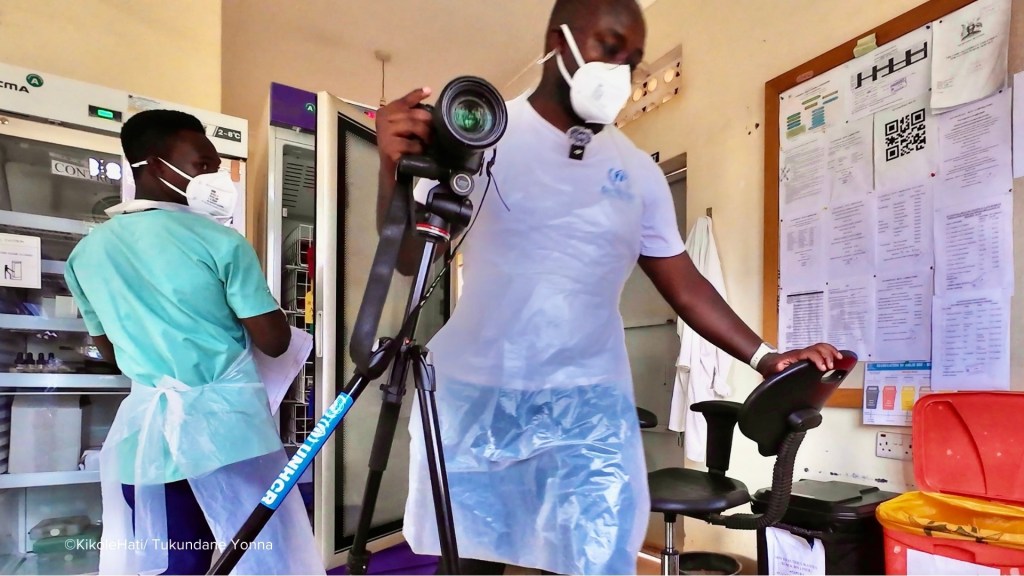
I’ve just returned from documenting a Tuberculosis (TB) story for UNHCR and IGAD in Kyangwali refugee settlement. The video will be available soon, but I wanted to take a moment to reflect on the experience. It reminded me of the time I was covering the Covid-19 response at quarantine facilities, a very challenging period. These past three days (Tuesday through Thursday) were spent gathering content for IGAD’s support to UNHCR Uganda in combating TB within the country’s refugee response. Here’s a behind-the-scenes look at how I structured the story and gathered the visuals.
To tell a complete story, I first needed to understand how the funding from IGAD to UNHCR was being utilized. These funds directly support activities related to TB treatment, among other initiatives. Flexible funding is crucial for UNHCR as it helps deliver essential services to refugees and their host communities. I reached out to the focal person for TB at UNHCR, who connected me with the Medical Teams International (MTI) staff in Kyangwali refugee settlement. MTI is UNHCR Uganda’s health partner in the refugee response.
Once in contact with MTI, we had several planning calls where we discussed the shooting plan and visualized the story I intended to create. The team helped me identify the key people to feature. By the end of our conversations, we had pinpointed a TB survivor to film, selected locations to visit, and outlined key activities to capture. These included Village Health Team (VHT) training, the TB screening process, sputum sample collection, testing, sharing results, and treatment, right through to the patient’s return home.
We traveled from Kampala to Kikuube district, which hosts the Kyangwali refugee settlement. Our first interaction was with the MTI team, whom I had been coordinating with remotely. I was not alone in this project—my supervisor and head of unit assigned us to cover this story, and UNHCR Uganda took care of all transport, meals, and accommodation. After meeting with the MTI team, we began filming with the story of a TB survivor who shared his personal experience on camera. We also took photos before moving on to the next location.
The second location was the TB isolation facility, where patients receive medical treatment and supervision. Here, health workers administer medication and ensure that patients take it properly. There’s a specific medical term used for this process, which will be mentioned in the upcoming video. At this facility, patients spend two weeks under observation, after which they’re discharged back into the community. The medication they receive prevents them from spreading TB once they leave. We filmed a piece to camera with the MTI clinical officer, captured b-roll of the facility, and then moved to the next site.

Next, we visited a health center where VHTs were undergoing training with the MTI team. VHTs play a critical role in supporting both refugees and host communities. For TB, their duties include monitoring and referring individuals with persistent coughs for testing, updating families about patients undergoing treatment, and following up on those discharged from care. In the video, you’ll see MTI staff conducting the training and hear directly from one of the VHT members about their important work. After this, we moved to our final filming location.

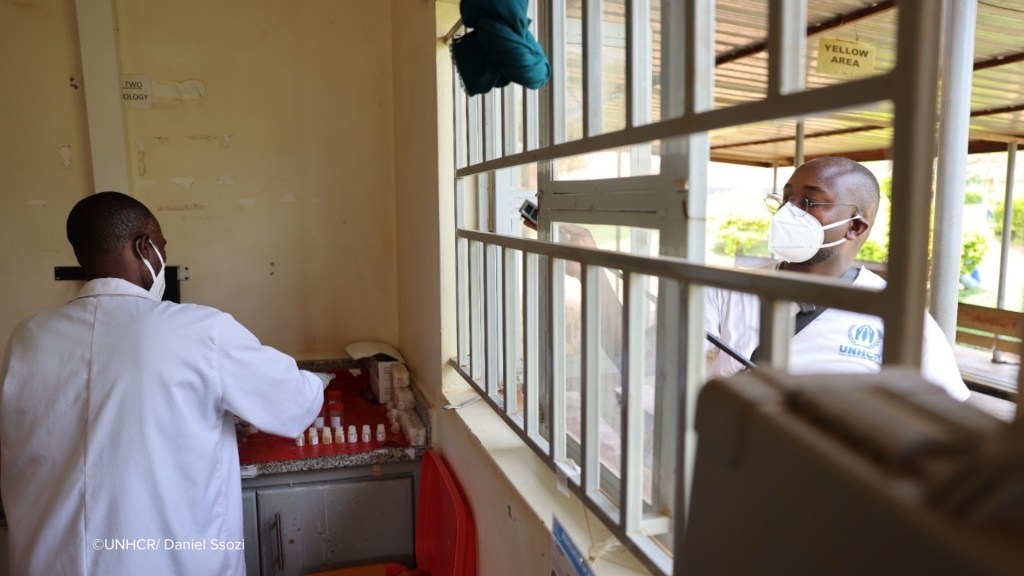
The last location was a health center with a GeneXpert machine used for TB testing. This facility serves the entire Kyangwali subcounty and processes sputum samples sent from other health centers. The samples are tested, and results are sent back to the relevant facilities for patient treatment. We filmed the entire process: from receiving and documenting the samples, preparing them for testing, running them through the GeneXpert machine, to the laboratory staff sending the results back to the health centers. The machine generates results within an hour, and this laboratory operates 24/7. The testing process is directly linked to the Uganda Ministry of Health database.
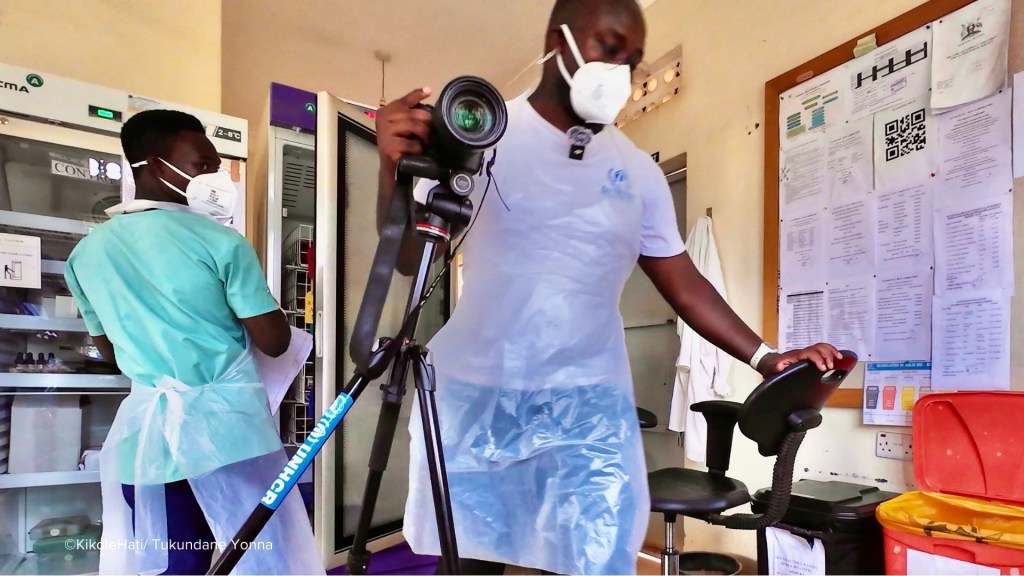
Given that TB is a highly contagious and deadly disease, we had to wear protective gear throughout the filming to avoid exposure. This included N95 masks and protective aprons. After filming, we sanitized our hands and camera equipment to ensure safety. Documenting and capturing visuals in such technical and sensitive environments is challenging, but we were able to successfully complete the task.
Now that you’ve heard the behind-the-scenes details, I encourage you to check out the final video on Facebook, X, Instagram, and YouTube by searching for UNHCR Uganda. Like, follow, and subscribe to stay updated and watch these stories firsthand from refugees, partners, and government officials. If you’re moved by the work UNHCR does, consider visiting their donation link. Your contribution makes a significant impact, helping provide essential services to refugees and supporting UNHCR in fulfilling its mandate of protection for refugees, asylum seekers, and stateless communities.
The End.
#KikoleHati #TukundaneYonna #YesuNamara #2564wd
 Tukundane Yonna
Leave a comment